Patient medical documents
This is the most important part of preparation, because medical documentation is needed not only by doctors abroad, but also by the MedExpress team to monitor the patient correctly on the road. You will need:
- Hospital discharge summary (epicrisis). It should be as recent as possible and include the current diagnosis, treatment provided, and recommendations. Preferably translate it into English or the language of the destination country.
- Fitness-to-travel certificate. An official doctor’s statement that the patient can endure a long journey.
- Invitation from a foreign clinic. A document confirming that a medical facility in Europe is ready to admit the patient (this significantly speeds up border crossing).
- Official stamped prescription. If the patient takes specific medicines (especially strong or narcotic painkillers), a prescription is critical for customs control.
An invitation from a foreign clinic confirming admission abroad will speed up border crossing. Also, if the patient takes specific medicines (especially strong or narcotic painkillers), an official stamped prescription is required for customs.
Documents for crossing the border
Legal preparation is no less important than medical preparation. First, check the validity of biometric passports for both the patient and the accompanying person. If the passport is of the old type, make sure a valid visa is available.
Also prepare documents confirming family ties, such as a marriage or birth certificate. This is mandatory if the companion is a guardian or if you have different surnames. When a minor or incapacitated person is accompanied by someone other than a direct relative, a notarized power of attorney will be required at the border.
Personal items for the patient and companions
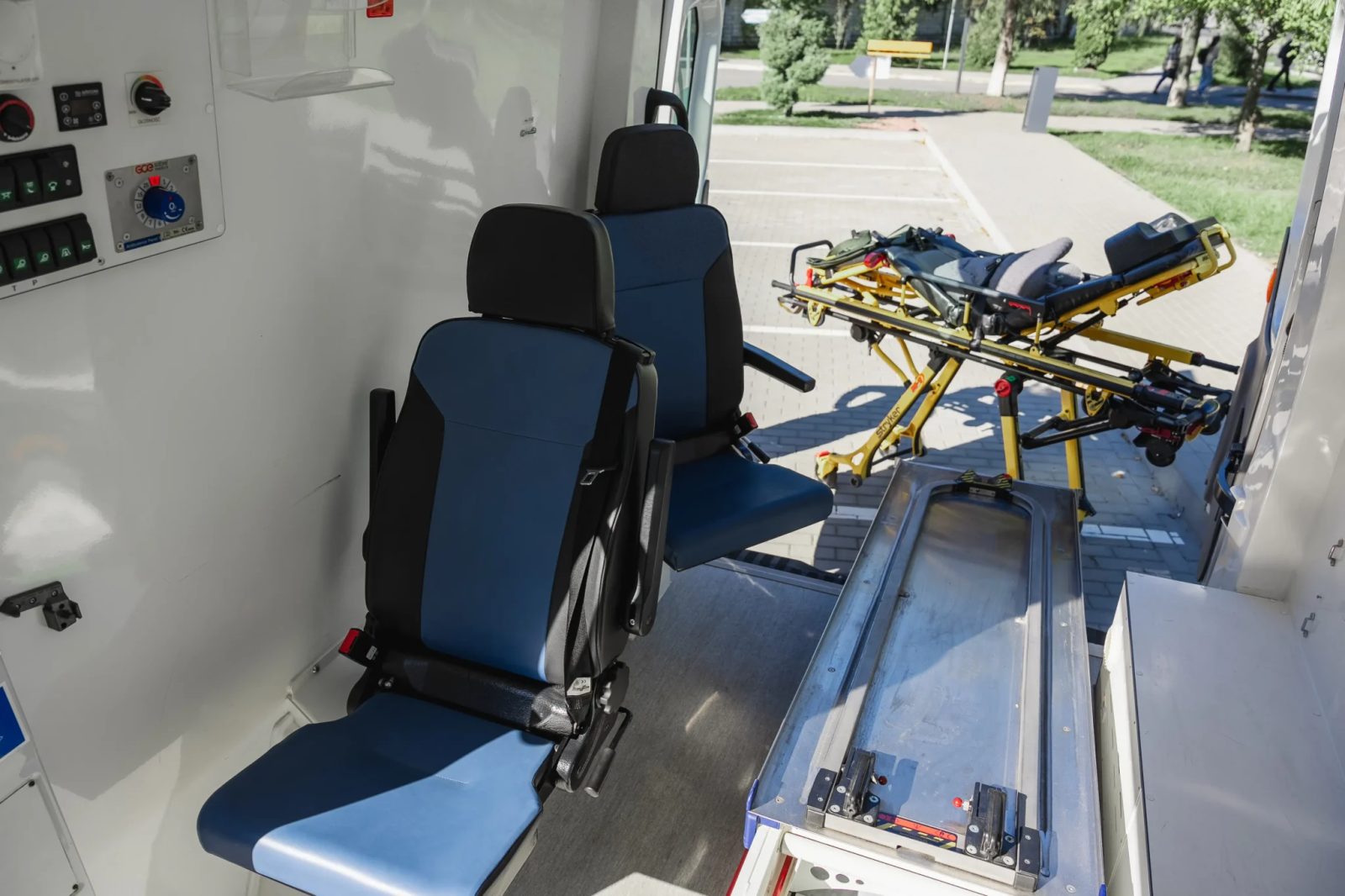
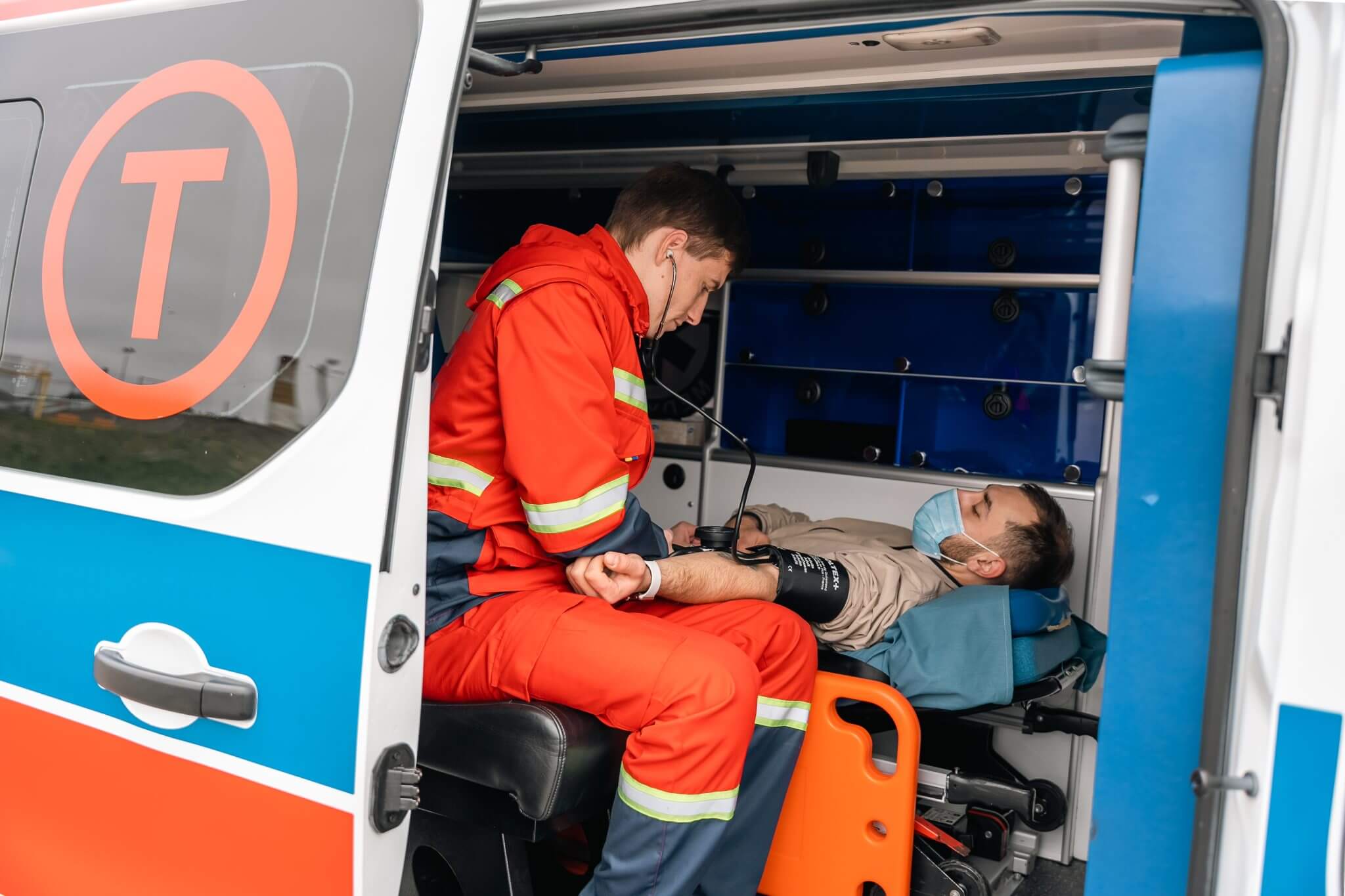
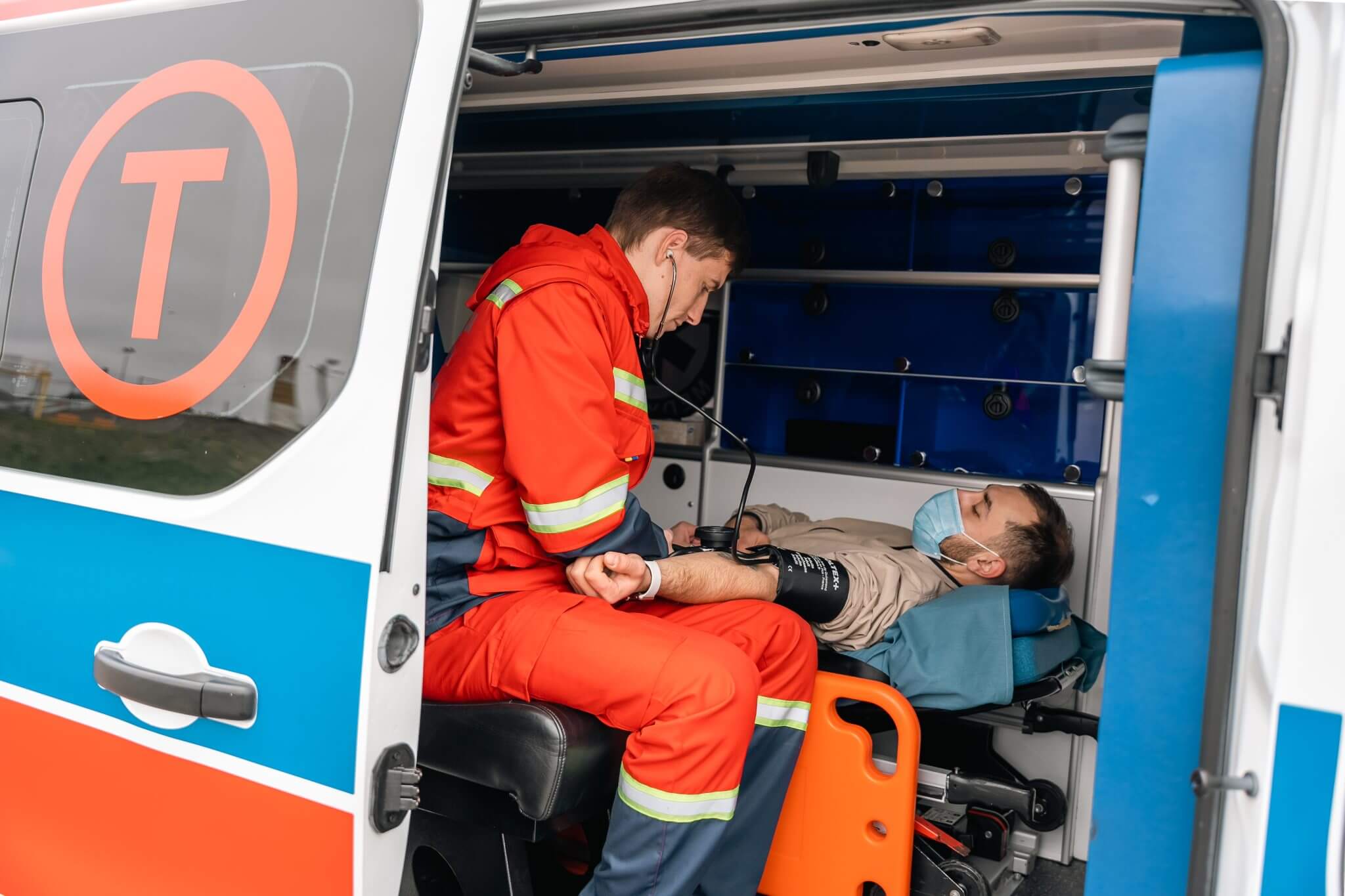
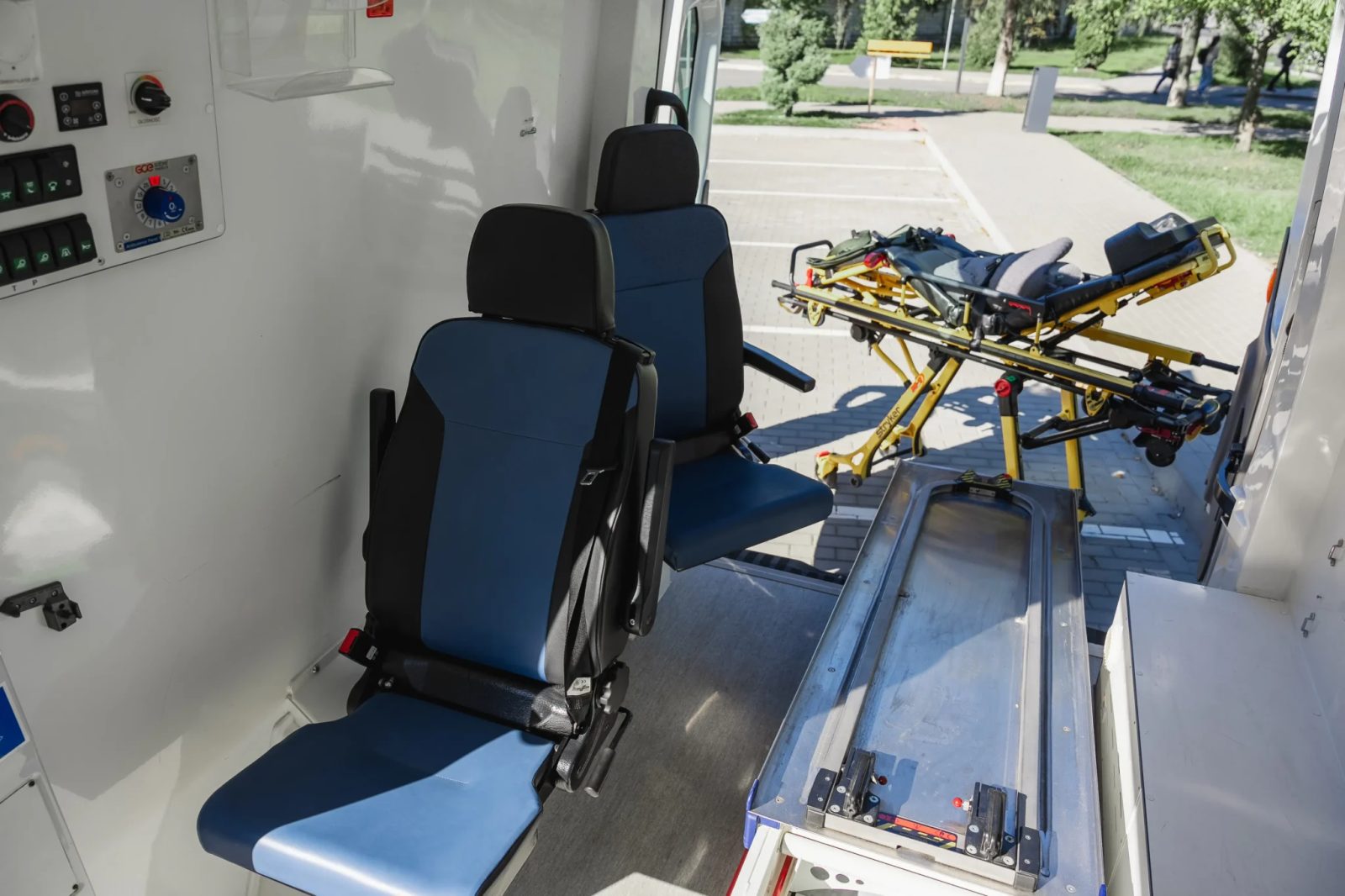
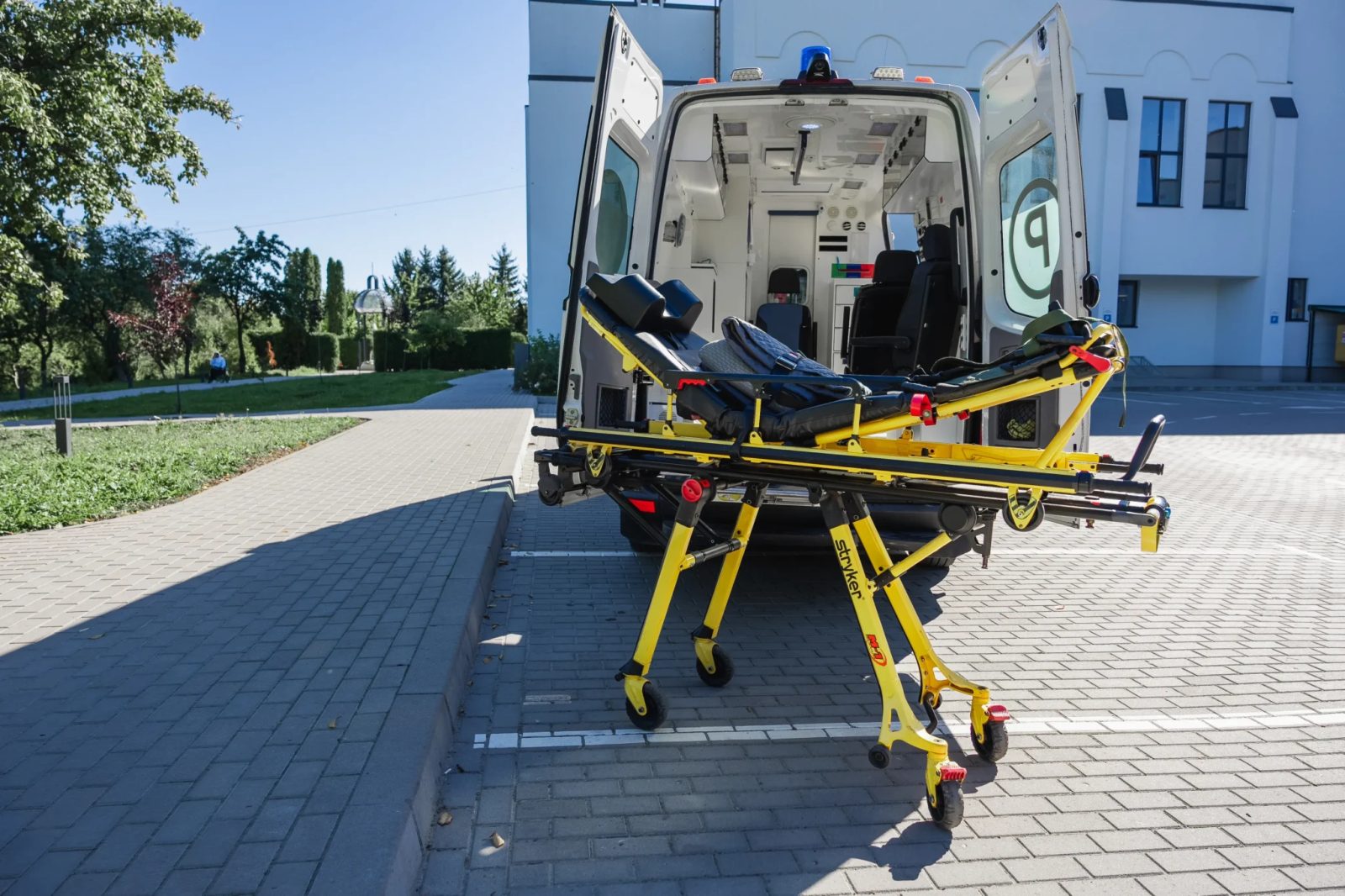
MedExpress vehicles are fully equipped with medical devices, vacuum mattresses, and blankets, but it is still worth preparing a few basic comfort items.
For the patient, comfortable clothing made of natural fabrics that does not squeeze the body and is easy to remove (for example, loose sports pants and zip-up sweatshirts) and warm socks work best. Bring personal hygiene items: absorbent pads, adult diapers (even if they are not usually needed, they help on a long trip), wet wipes, and a towel. Individual items such as glasses, a hearing aid, or dentures are best kept in a convenient container nearby. If the doctor allows it, bring familiar drinking water and a light snack.
Because the trip may last more than 10–15 hours, the accompanying person should also take care of their comfort. Wear comfortable everyday clothes and shoes without heels. Bring a travel neck pillow for sleeping in a seat, enough cash in the needed currency, bank cards, a phone charger, and a powerful power bank.